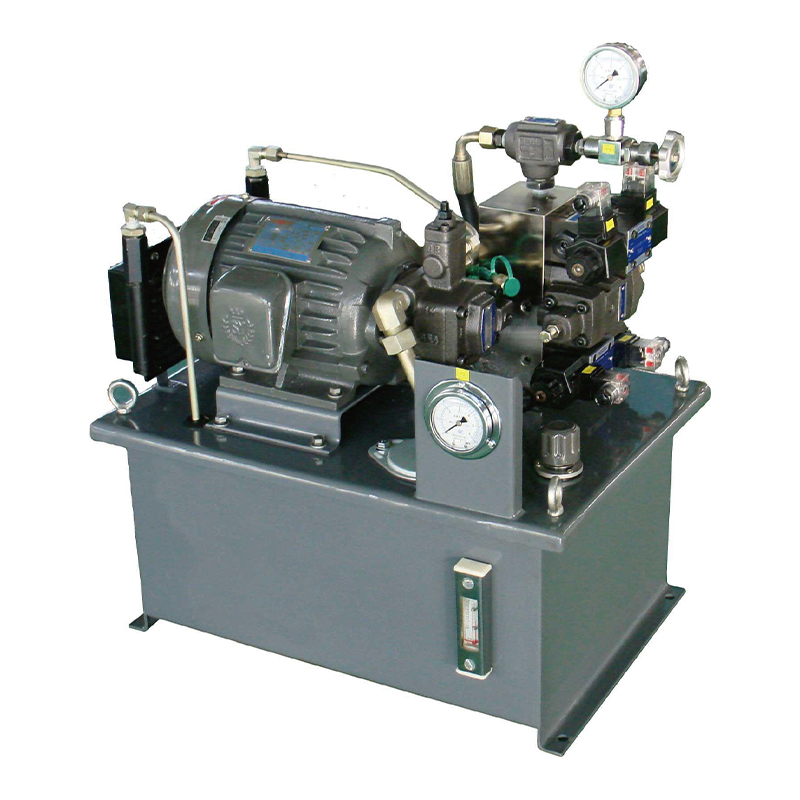
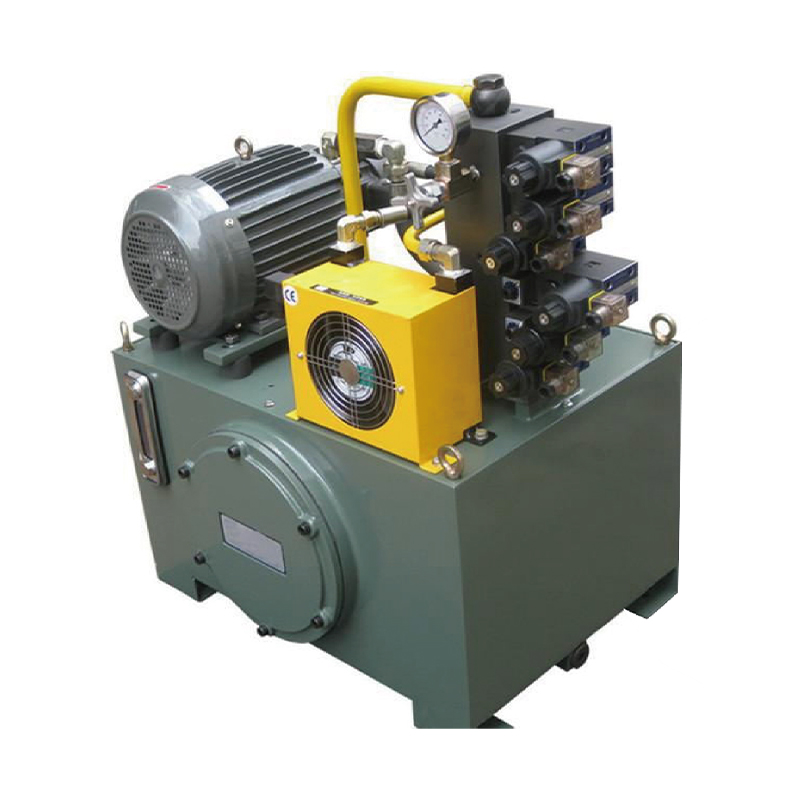
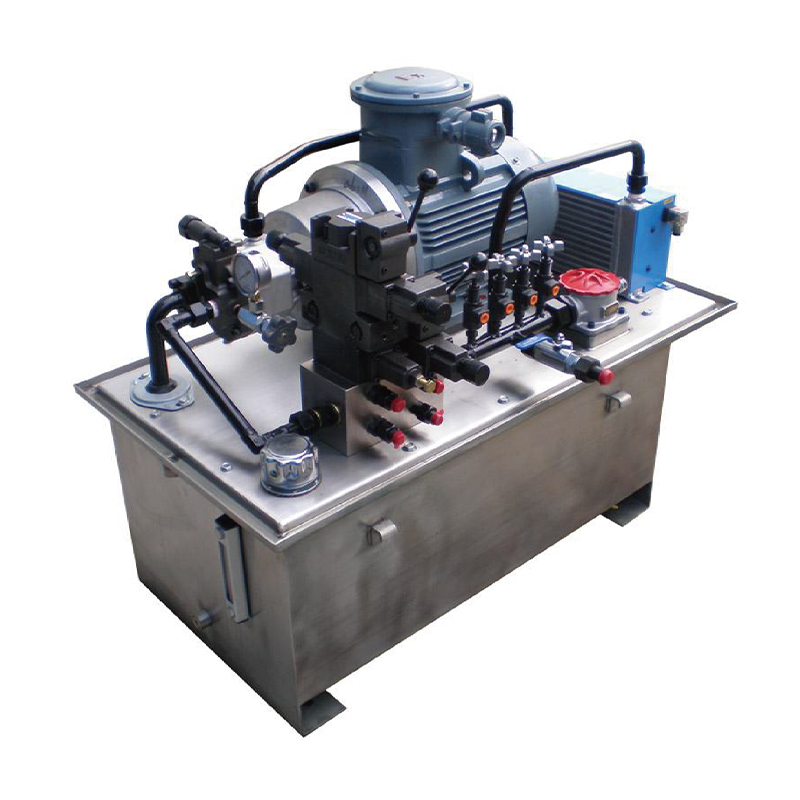
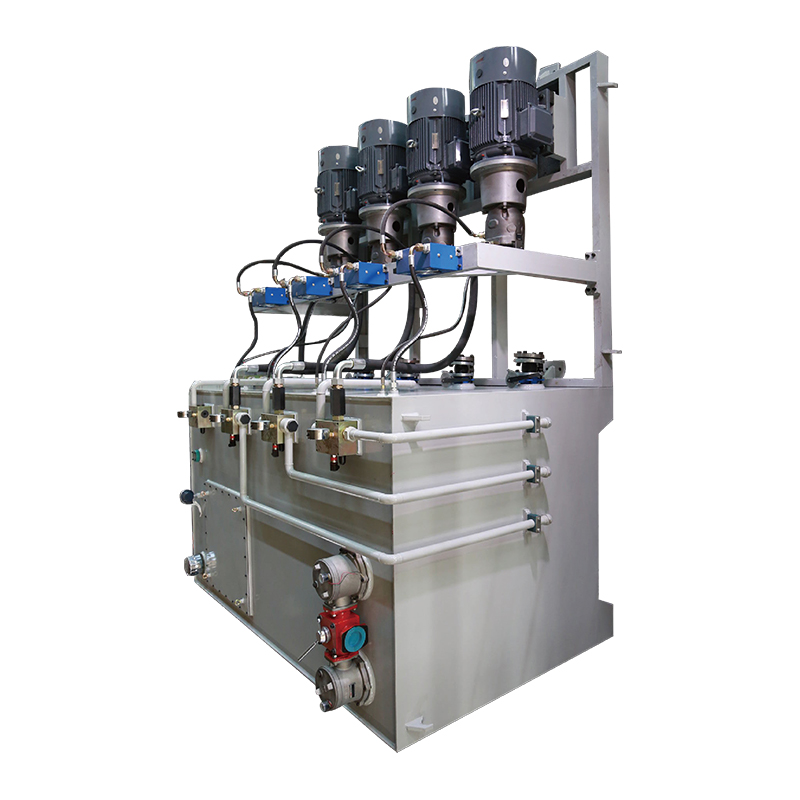
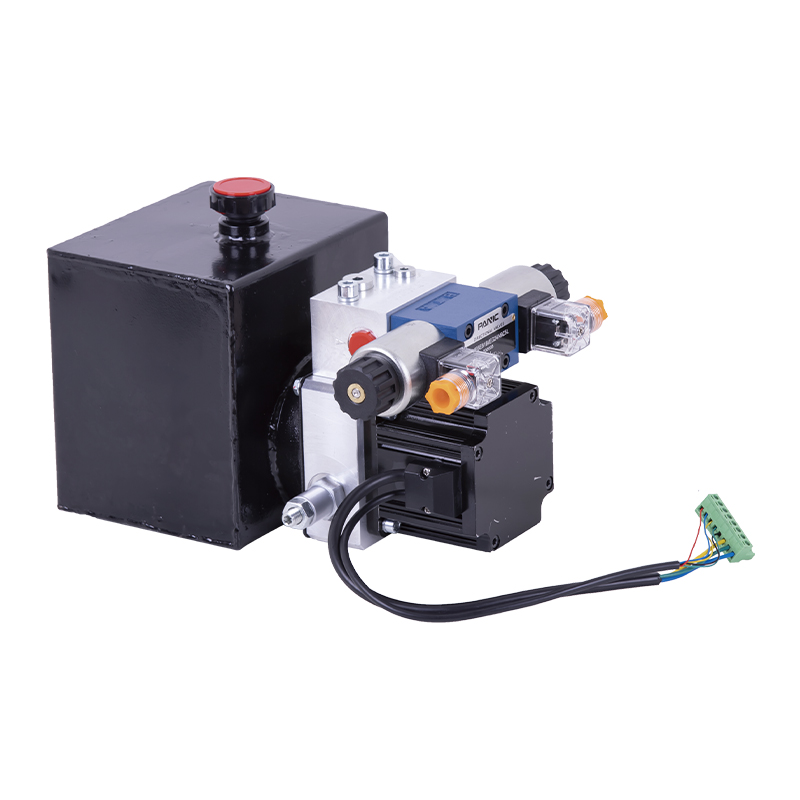
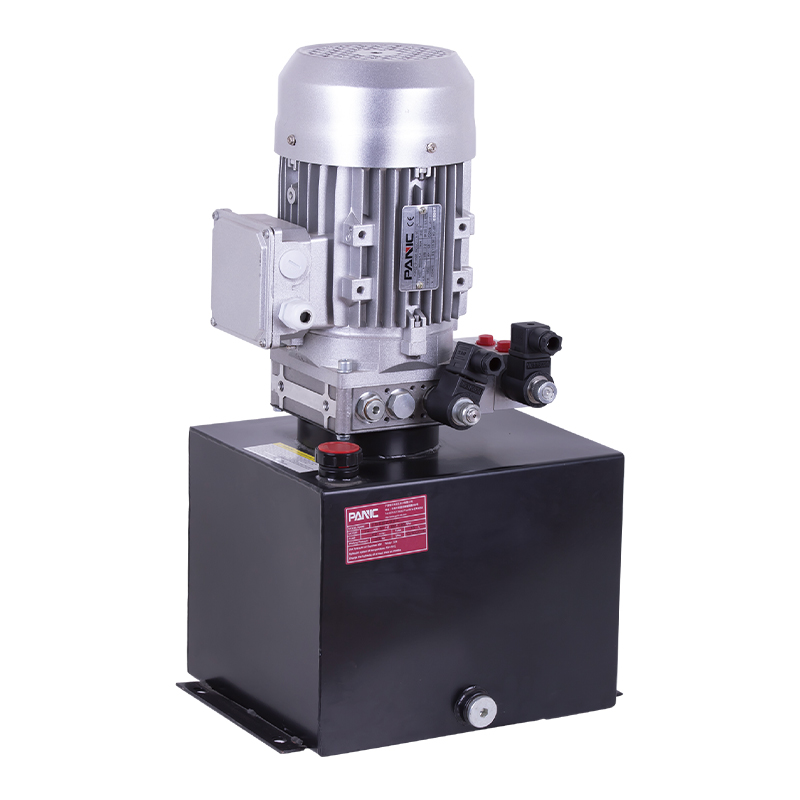
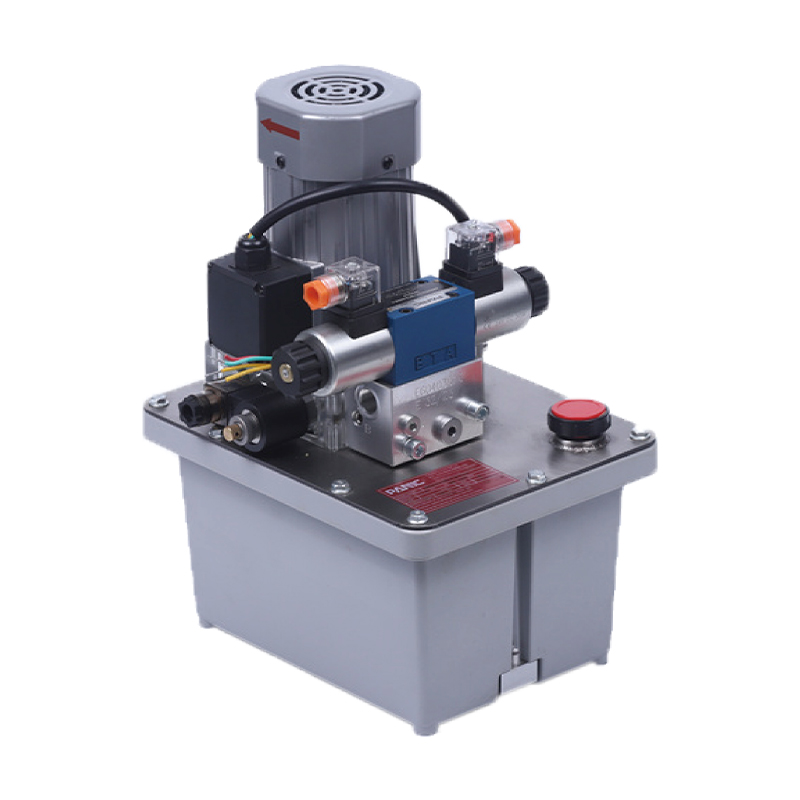
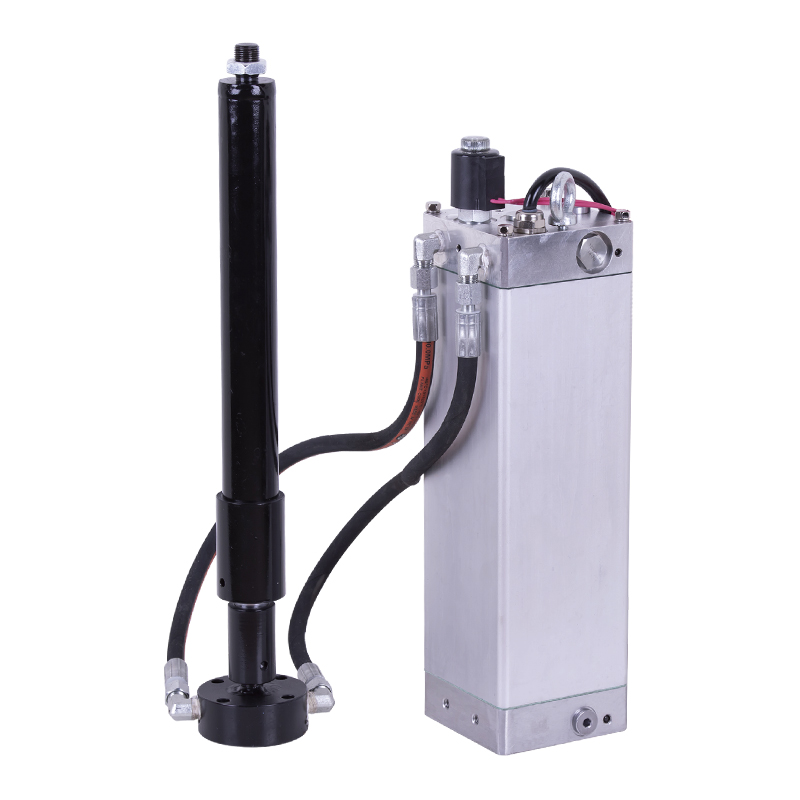
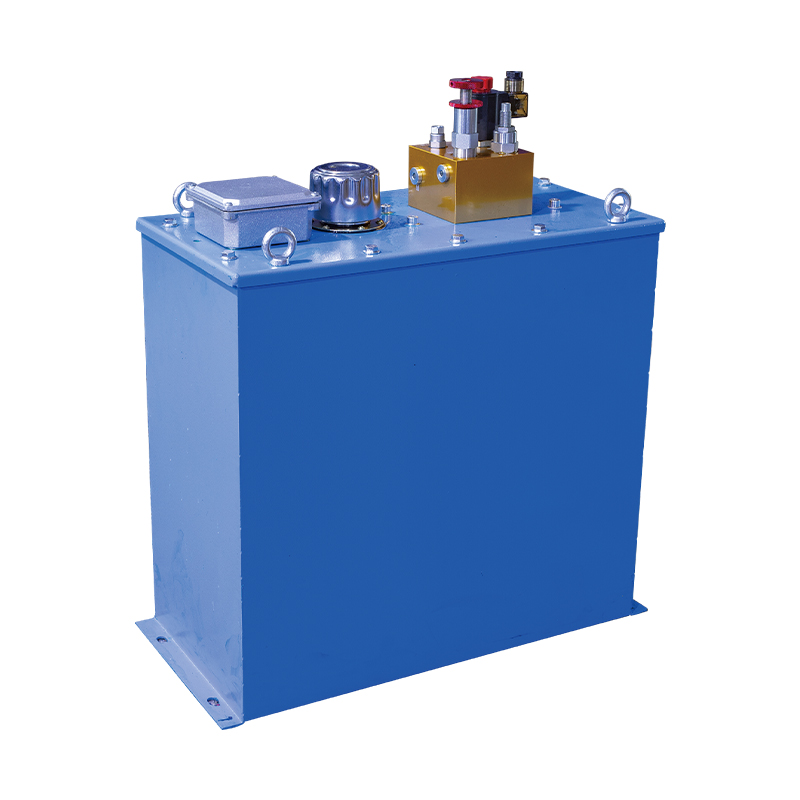
A hydraulic pump station is more than a pump bolted to a tank. It is an integrated assembly of reservoir, motor, coupling, pump, directional and relief valves, filtration, cooling, and often a control panel with pressure and temperature sensors. Maintaining a hydraulic pump station properly means treating the whole skid as one interdependent system rather than servicing the pump in isolation.
The reservoir deserves more attention than it usually gets. Sediment settles at the bottom of the tank over months of operation, and if the return line dumps fluid directly above the suction line, that sediment gets pulled straight back into the pump. A baffle plate positioned correctly inside the reservoir, along with a suction strainer sized for the pump's flow rate, prevents this short-circuiting effect and keeps particulate away from the pump inlet.
The motor-to-pump coupling is another area specific to the station configuration. Flexible couplings compensate for minor misalignment, but they are not designed to correct for gross misalignment from a poorly installed motor base. A dial indicator check of angular and parallel alignment during commissioning, and again after any motor replacement, prevents the single most common cause of premature pump shaft seal failure on new station installations.
Reservoir sizing also plays a larger role in station reliability than most specification sheets suggest. A reservoir that is too small for the pump's flow rate does not give fluid enough dwell time to release entrained air or settle particulate before being pulled back through the suction line, which means the pump is constantly working with fluid that is not fully conditioned. A commonly referenced sizing guideline is a reservoir volume of three to five times the pump's rated flow per minute, though systems with high heat loads or aggressive cycle rates often benefit from sizing toward the higher end of that range.
Control panel instrumentation, when present on a station, is only useful if it stays calibrated. A pressure transducer or temperature sensor that has drifted out of calibration can mask a developing problem for months, showing readings that look normal while the actual pump condition deteriorates. Annual calibration against a known reference gauge, cross-checked at commissioning and then yearly afterward, keeps the instrumentation trustworthy enough to actually catch early warning signs rather than simply displaying numbers nobody fully trusts.